
Brand Awareness
Introduction: Why Brand Awareness Matters
Brand awareness is more than just a logo or a tagline—it’s the measure of how familiar your audience is with your brand and how often they recall it when thinking about a product or service you offer. A brand that is easily recognized and trusted can:
- Increase customer loyalty
- Improve conversion rates
- Make marketing campaigns more effective
- Reduce customer acquisition costs
In today’s competitive digital landscape, businesses need to combine digital marketing, content marketing, and strategic use of marketing funnels and lead generation tools to stand out. Even a marketing agency can help craft campaigns that amplify visibility and engagement.
1. Understanding Brand Awareness
Brand awareness is the first step in the customer journey. If potential customers do not recognize your brand, your marketing efforts may fail before they even start.
Components of Brand Awareness:
- Brand Recognition: Can people identify your logo, colors, or tagline?
- Brand Recall: Are you top-of-mind when customers think of your product or service?
- Brand Identity: The overall perception of your brand through your values, messaging, and content.
A strong brand awareness strategy integrates your digital marketing strategy, content marketing, and marketing funnels to make your brand memorable.Brand awareness builds trust and credibility, making customers more comfortable choosing your business over competitors.It ensures consistency across all digital touchpoints, from websites and social media to ads and email campaigns.When executed effectively, brand awareness lays the foundation for long-term customer relationships and sustainable growth.
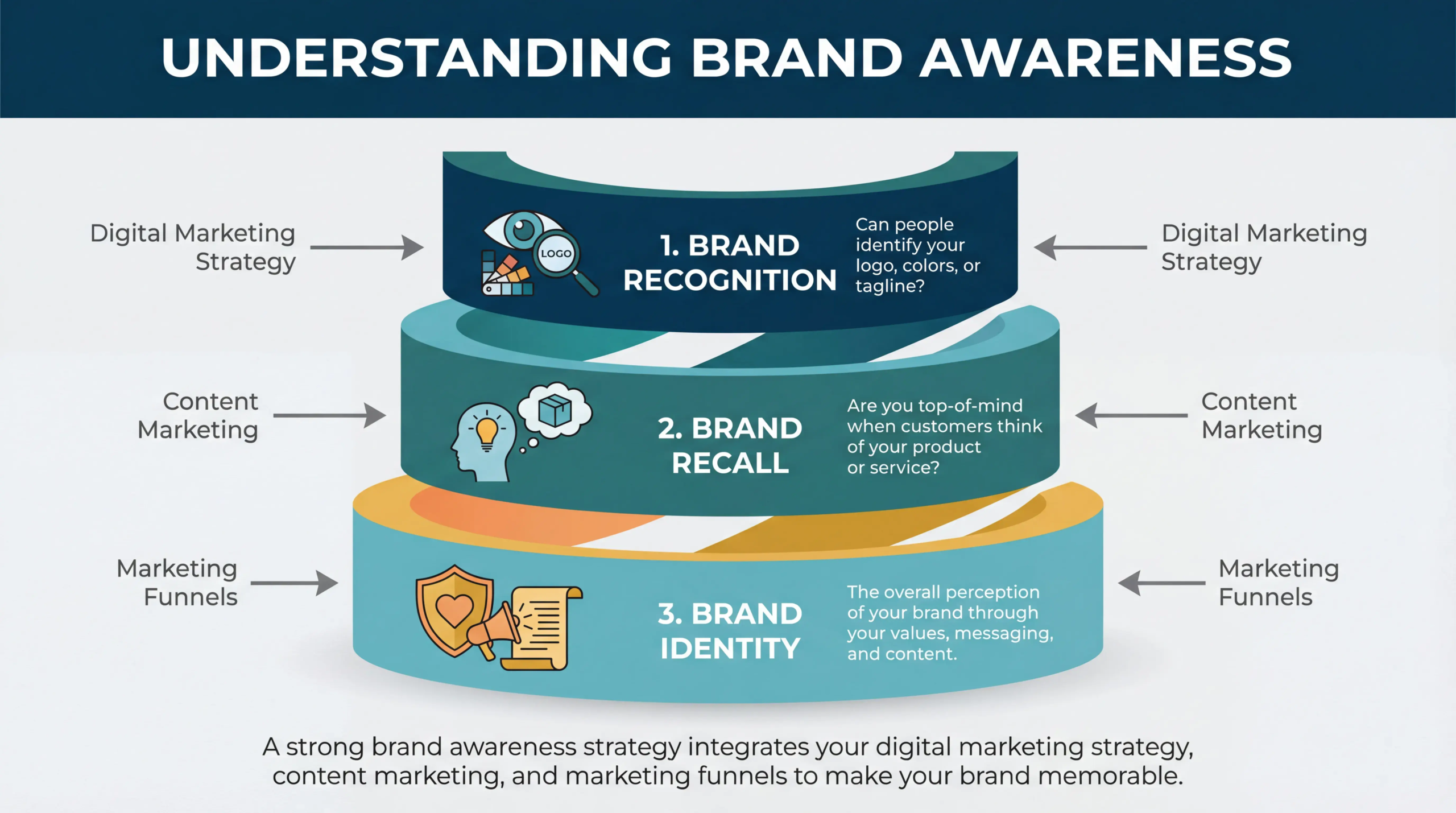
Diagram 01: Brand Awareness
2. Importance of Brand Awareness
A brand that is well-known enjoys multiple benefits:
- Builds Trust and Credibility: Customers are more likely to buy from brands they recognize.
- Improves Marketing Funnel Efficiency: Leads move faster through your funnel when your brand is familiar.
- Supports Lead Generation: Familiar brands attract more clicks, sign-ups, and inquiries.
- Amplifies Digital Marketing Efforts: Ads and campaigns perform better when your audience already knows your brand.
- Drives Long-Term Growth: Strong brand awareness leads to loyal customers, referrals, and sustainable growth.
Example: A small business that invests in content marketing and social media campaigns will likely see faster recognition and trust among its target audience.
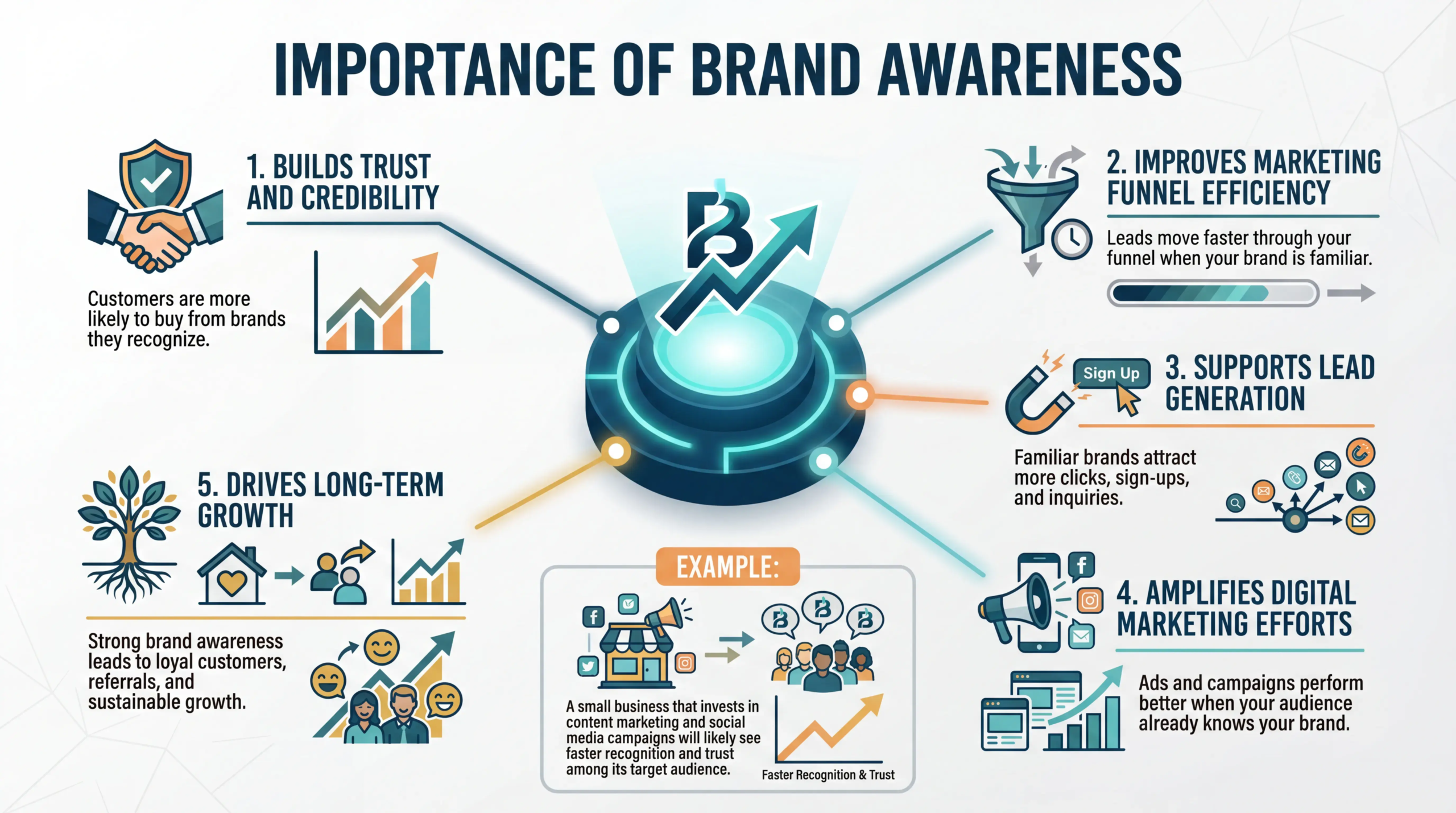
Diagram 02: Importance of Brand Awareness
3. Strategies to Build Brand Awareness
a) Digital Marketing Strategy
A digital marketing strategy ensures that your brand is visible where your audience spends their time:
- SEO (Search Engine Optimization): Optimize your website so your brand appears at the top of search results.
- Social Media Marketing: Consistent posting on platforms like Facebook, Instagram, LinkedIn, and TikTok.
- Paid Campaigns: Use paid ads to reach your target audience faster.
- Email Marketing: Nurture your audience with newsletters and updates.
b) Content Marketing
Content marketing is essential for educating and engaging your audience. It positions your brand as an authority and builds trust:
- Blog Posts & Articles: Provide insights and tips relevant to your audience.
- Videos & Tutorials: Visual content is more engaging and shareable.
- Infographics & Visual Content: Simplify complex concepts for better understanding.
- Case Studies & Testimonials: Highlight success stories to improve credibility.
Consistency in content and messaging strengthens your brand awareness.
c) Social Media Campaigns
Social media is one of the fastest ways to grow brand awareness:
- Post consistently and engage with followers
- Respond to comments and direct messages
- Use hashtags strategically to increase reach
- Collaborate with influencers or partner brands for wider exposure
d) Marketing Funnel for Brand Awareness
The marketing funnel starts with awareness at the top:
- Awareness: Ads, social media content, blog posts reach new audiences.
- Interest: Provide educational content to capture attention.
- Consideration: Share case studies, reviews, and product benefits.
- Conversion: Encourage sign-ups, inquiries, or purchases.
- Retention: Keep customers engaged with newsletters, loyalty programs, and follow-ups.
Lead generation tools like forms, landing pages, and chatbots play a key role in capturing and nurturing new leads at the top of the funnel.
e) Collaborating with a Marketing Agency
A marketing agency can help businesses:
- Conduct audience research and insights
- Run multi-channel campaigns for better reach
- Monitor campaign performance and optimize results
- Provide tools and expertise to maximize ROI
Partnering with an agency ensures that your brand awareness campaigns are strategic, efficient, and measurable.
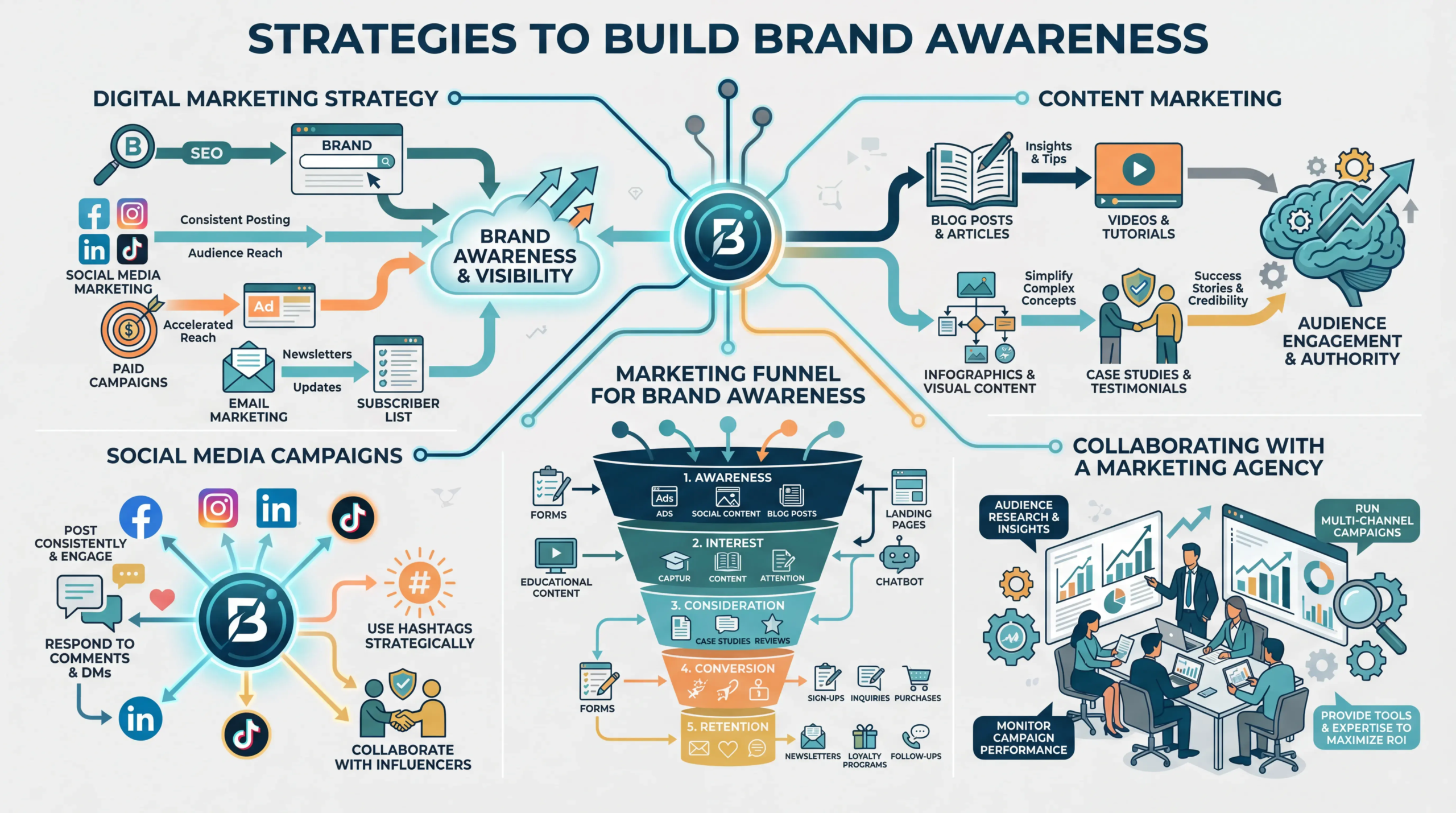
Diagram 03:Digital marketing strategy channels
4. Measuring Brand Awareness
To know if your efforts are successful, track:
- Website Traffic: More visits indicate higher brand recognition.
- Search Volume for Your Brand: Are more people searching for your brand name?
- Social Media Engagement: Likes, shares, comments, and mentions.
- Leads Captured: Use lead generation tools to track sign-ups or inquiries.
- Brand Mentions & Reviews: Monitor what people are saying online.
Tools: Google Analytics, social media insights, CRM dashboards.
Monitor referral traffic to see which platforms are driving the most brand visibility.Track email open and click-through rates to understand how familiar audiences are with your brand.Analyze time spent on site and bounce rates to measure audience interest and recognition.Compare brand awareness metrics over time to identify growth trends and campaign effectiveness.Use surveys and feedback forms to directly assess how well customers recognize and remember your brand.
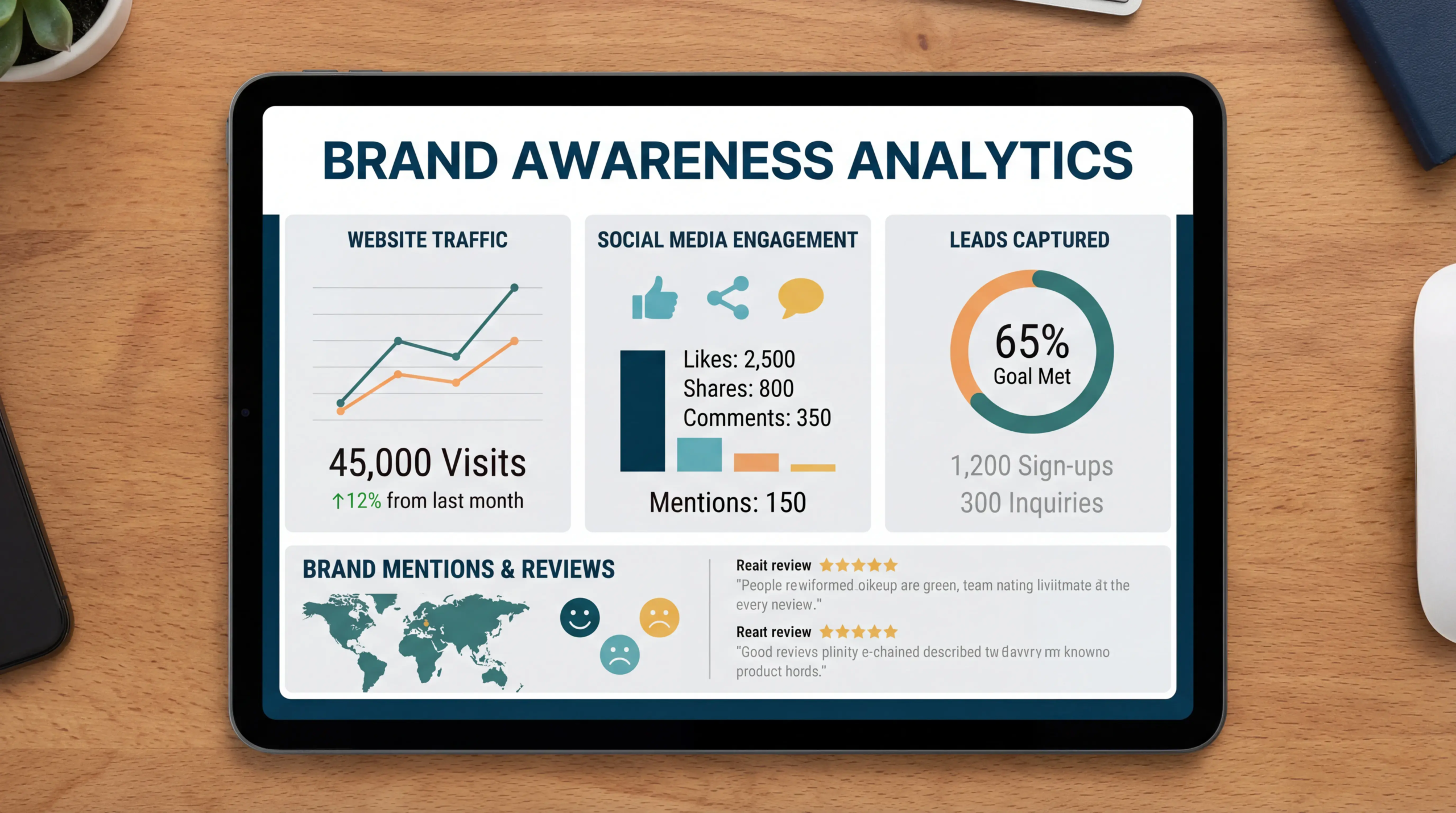
Diagram 04:Measuring brand awareness
5. Best Practices for Building Brand Awareness
- Maintain consistent messaging across all channels.
- Invest in content marketing for education and engagement.
- Leverage digital marketing strategies for online visibility.
- Optimize marketing funnels to capture and convert leads.
- Use analytics to continuously improve campaigns.
- Engage with your audience authentically to build trust and loyalty.
- Partner with a marketing agency for advanced strategies and execution.
Building brand awareness requires a long-term, strategic approach rather than one-time campaigns. Consistency in messaging, visuals, and tone helps audiences recognize and remember your brand across platforms. High-quality content marketing educates your audience while positioning your brand as an authority in your industry. By aligning your digital marketing strategy with well-optimized marketing funnels, you can guide users smoothly from awareness to conversion. Continuous performance tracking allows you to refine campaigns based on real data, while authentic engagement fosters trust and lasting customer relationships. Partnering with an experienced marketing agency such as Mach01 can further strengthen execution, scalability, and measurable growth through proven strategies and data-driven insights.
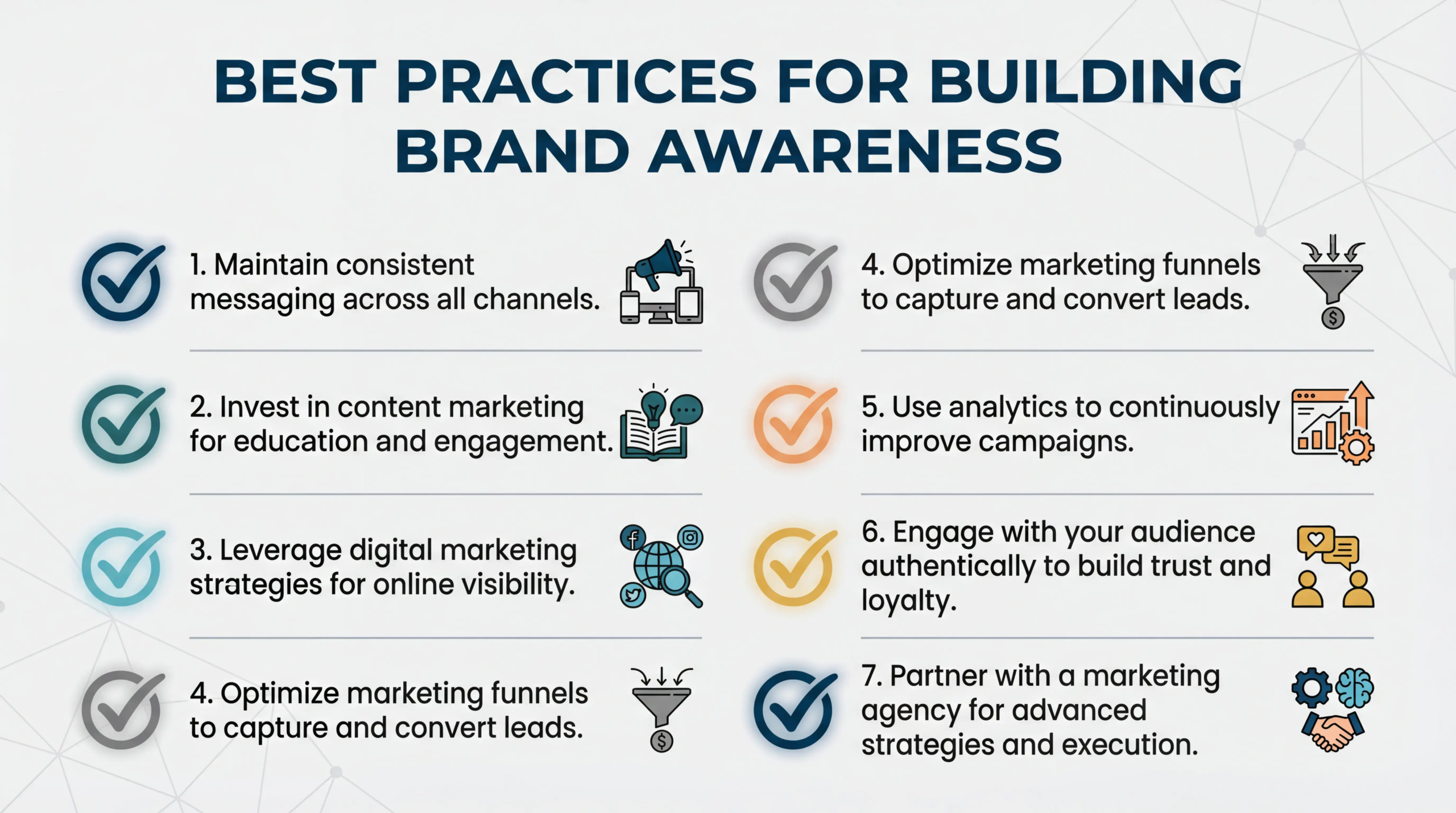
Diagram 05: Brand awareness best practices
Conclusion
Building brand awareness is the foundation of a successful marketing strategy. By leveraging digital marketing, content marketing, and well-designed marketing funnels, businesses can reach the right audience, create lasting impressions, and generate more leads with lead generation tools.
Whether through organic campaigns or with the help of a marketing agency, consistent messaging, engaging content, and strategic outreach are key to making your brand memorable. Investing in brand awareness not only strengthens trust and credibility but also ensures long-term growth, customer loyalty, and higher conversion rates.